

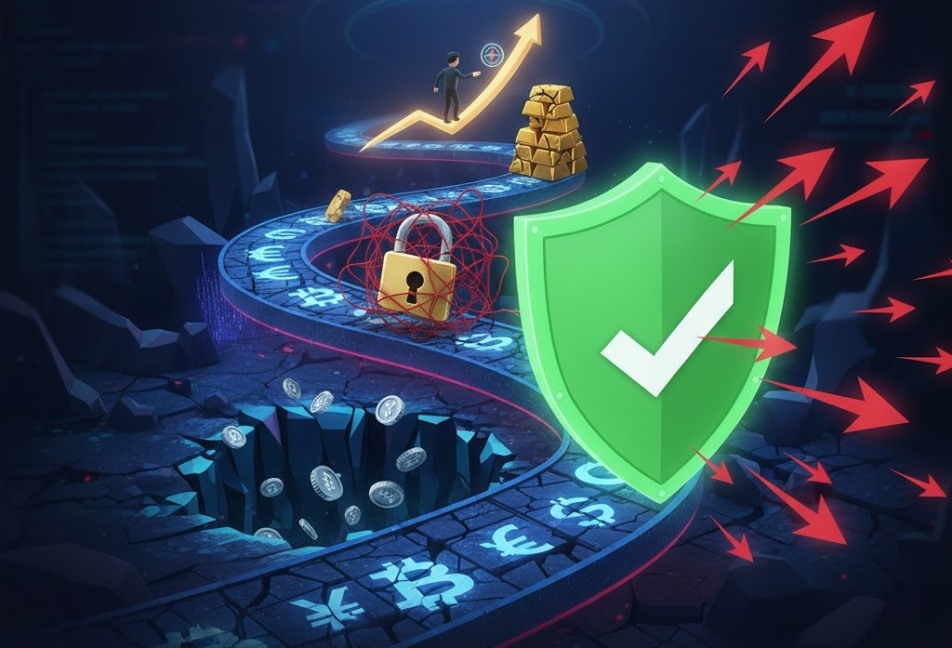
Digital asset markets have drawn millions of investors across the globe, but profitable ownership of digital assets comes with traps that snare both newcomers and veterans alike. Success or significant financial loss depends on spotting these dangers before they empty your account.
Security Lapses That Cost Investors Billions
Weak security habits cause most digital asset losses. Private keys saved on unprotected devices or captured in phone photos give hackers easy targets as they hunt for weak points. Hardware wallets provide the best protection, yet many investors avoid them to cut costs or dodge the learning curve.
Two-factor authentication adds a defence layer that most people overlook. Authentication apps create codes tied to your device, but they only work if you install them ahead of time.
Phishing scams still trick investors who get emails or messages that look real. These fake contacts send victims to copied websites that grab login details in seconds. The URL might differ by just one character, and the design copies the real platform perfectly. Checking the sender’s address and typing URLs directly into your browser stops most of these attempts.
Password reuse across multiple platforms creates another vulnerability. Hackers who breach one exchange or service gain access to every account that shares the same login credentials. A unique, complex password for each digital asset platform takes extra effort to manage, but password managers handle this task efficiently. The inconvenience of managing separate passwords pales next to the cost of losing your entire portfolio.
Transaction Mistakes That Cannot Be Reversed
Blockchain transactions become permanent the moment they are confirmed. Send coins to the wrong address, and no customer service team can retrieve them. Test transactions with small amounts before moving large sums, even when you’ve used an address successfully before.
Network selection errors waste money and time. Sending Bitcoin over the Ethereum network or vice versa means those funds disappear into an incompatible system. Each digital currency operates on specific networks, and selecting the wrong one during withdrawal leads to permanent loss.
Gas fees spike during network congestion, and investors who don’t check current rates pay far more than necessary. Bitcoin transaction costs can jump from $2 to $50 when demand surges. Timing your moves during quieter periods saves money that adds up over multiple transactions.
Copy-paste errors account for more lost digital assets than most people realise. Malware exists specifically to monitor your clipboard and swap digital currency addresses when you paste them. The switch happens invisibly, and your funds go to the attacker’s wallet instead of your intended recipient. Manually verifying the first and last characters of any pasted address catches these substitutions before you click send.
The Entertainment Factor
People who approach wagering with crypto in Canada discover platforms that process deposits and withdrawals faster than traditional payment methods. Digital asset transactions bypass bank processing times, but this speed also means mistakes happen faster.
The same security principles that protect your investment portfolio apply to any digital asset-based activity. Strong passwords, authentication measures, and careful address verification remain just as important regardless of how you use digital assets.
Falling for Investment Scams
The Federal Trade Commission documented more than $1 billion in reported losses to digital asset fraud since the start of 2021. Investment schemes account for the majority of these losses, with scammers promising guaranteed returns that defy market logic.
Social media platforms have become hunting grounds for these operations. Fake accounts impersonate successful traders or celebrities, offering insider tips that lead to fraudulent platforms. The websites look professional, with charts that show profits growing daily. Victims can even withdraw small amounts initially, which builds false confidence before the trap closes.
Romance scams represent another avenue for digital asset theft. Deceivers cultivate long-term bonds across many weeks before they introduce fake investment opportunities. The emotional connection makes victims more willing to trust advice and send money.
Pump and dump schemes target smaller digital currencies with low trading volume. Coordinated groups buy large quantities of an obscure token, then promote it heavily across social media and messaging apps. The price spikes as new investors rush in, and the original buyers sell their holdings at the peak. Prices crash immediately after, and latecomers lose most of their investment. These operations happen daily across hundreds of low-cap tokens.
Ignoring Market Research
FOMO drives poor decisions faster than any other emotion in crypto markets. Prices surge, social media buzzes with success stories, and investors jump in without understanding what they’re buying. Meme coins and obscure tokens can multiply in value temporarily, but most eventually collapse to near zero.
Bitcoin and other major digital currencies that have operated for years provide somewhat steadier ground compared to brand new tokens, though their price swings still dwarf what happens with traditional equities. Projects need a whitepaper worth reading and development teams who put their names behind the work.
The people who make money from digital assets typically know what they bought and why. They spent hours reading about the blockchain architecture, the team’s background, and the actual problem the token claims to solve. The investors who lose money usually heard about a coin from a friend or saw it trending on social media.
Price patterns repeat themselves across different market cycles. Gradual growth builds momentum, media coverage intensifies, and suddenly everyone wants in. That final surge brings in the most money right before the reversal hits.
Also Read: Free vs Premium SSL: The Real Difference
Trading Too Much, Too Fast
Fees don’t seem like much on a single trade. A percentage here, a network charge there. Then you look at your monthly statement and realise 15% of your capital disappeared into transaction costs. Frequent trading between different coins turns those small charges into serious money.
Attempts to recover losses through more trades usually accelerate the problem. Your position drops 10%, so you make three quick trades trying to earn it back. Markets will still be there tomorrow.
Leverage trading offers a fast track to liquidation. Borrowed funds amplify whatever direction the market moves. A 5% drop can wipe out your entire position when you’re trading with 20x leverage.
Tax reporting sneaks up on people who trade frequently. Each time you swap one digital currency for another, tax authorities in most countries count that as a taxable event. Software exists to track this automatically, but only if you connect it from your first trade.
Where You Keep Your Coins
Exchange platforms differ widely in their security infrastructure and regulatory standing. Research matters before you deposit. Look for exchanges that have operated for years without major security breaches and maintain proper insurance coverage.
Leaving large digital asset holdings on an exchange puts them at risk of platform-level hacks or sudden business failures. The exchange controls those private keys, not you. What you can’t withdraw, you don’t actually control.
Hardware wallets move your private keys completely offline. These devices work well for coins you plan to hold long-term rather than trade daily.
Staying Informed
Digital asset projects announce major changes through their official channels. A network upgrade, a hard fork, or a token migration can happen with just a few weeks’ notice. Missing these announcements might leave you stuck with coins on an obsolete blockchain.
Government regulatory decisions move prices quickly. A country announces restrictions, and markets drop 15% before noon. Another country approves digital asset ETFs, and prices jump 20% overnight.
The Final Thoughts
The responsibility for protecting digital asset investments falls entirely on the holder. No insurance backstop, no customer service line that can reverse mistakes, no regulatory agency that guarantees your funds.
