

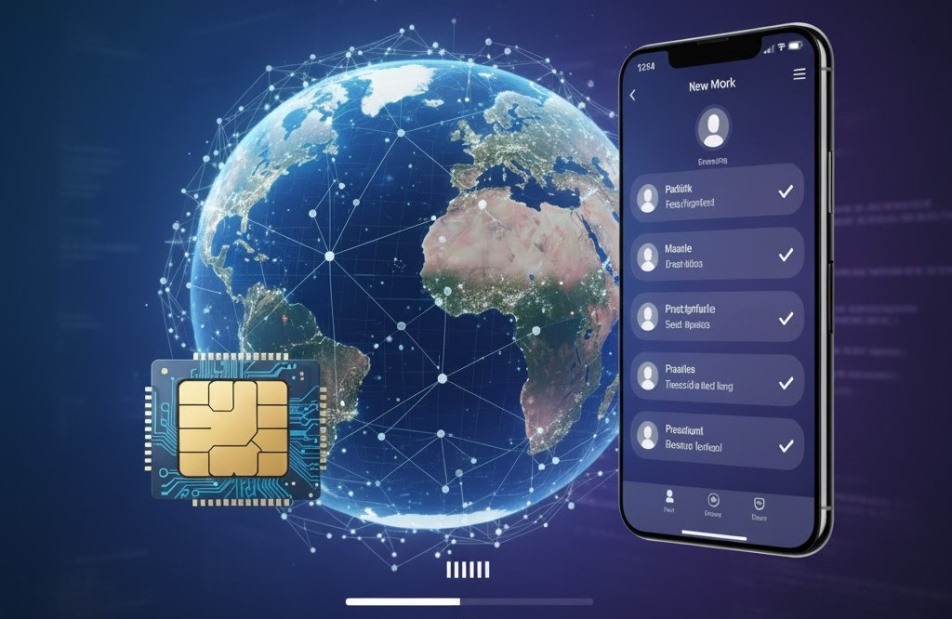
Staying connected has become an essential part of modern life. From international travelers and remote workers to global enterprises and IoT-powered industries, reliable mobile connectivity is now a non-negotiable requirement. One of the most transformative innovations pushing this connectivity revolution forward is eSIM (Embedded Subscriber Identity Module) technology. It is reshaping how devices connect to networks and how users experience mobile communication worldwide, particularly when considering specialized options like a China tourist eSIM.
In this in-depth authority guide, we’ll explore how eSIM technology is evolving as a game-changer for global connectivity, why it matters, and what the future holds for consumers, businesses, and emerging digital ecosystems.
- What Is Modern Digital eSIM Technology and How Does It Work?
- The Rise of eSIM Technology Across the World
- Key Advantages of eSIM for Global Connectivity
- How eSIM Technology Is Changing Industries
- Challenges and Considerations in eSIM Adoption
- Future Outlook: The Evolution of Global Connectivity
- Conclusion
What Is Modern Digital eSIM Technology and How Does It Work?
An eSIM is a built-in digital SIM that allows users to activate a mobile plan without inserting a physical SIM card. Instead of swapping plastic SIMs, users can download a mobile profile over the air, making network switching faster, easier, and far more convenient.
Key differences from traditional SIM cards include:
- It is directly embedded in the device’s hardware.
- Mobile plans can be activated digitally.
- Users can switch carriers remotely without physical replacement.
- Multiple profiles may be stored on one device for flexible usage.
This technology supports the GSMA (Global System for Mobile Communications Association) standards, ensuring global compatibility across carriers adopting eSIM capabilities.
Also Read: Mint Mobile International Roaming: Complete Guide 2025
The Rise of eSIM Technology Across the World
The demand for eSIM is rapidly growing across consumer and industrial markets. A rising number of leading smartphone manufacturers now integrate eSIM support into their flagship devices. Wearables such as smartwatches, tablets, laptops, and even connected cars are integrating eSIM to enhance seamless communication.
From enterprise mobility to logistics and healthcare, industries benefit from more secure, remotely manageable connectivity solutions. As digital transformation accelerates, eSIM plays a pivotal role in enabling frictionless communication anywhere on the planet.
Key Advantages of eSIM for Global Connectivity
1. Hassle-Free International Travel
Travelers no longer need to purchase local SIM cards from airports or rely on expensive roaming plans. With eSIM, users can:
- Download a regional plan before or upon arrival.
- Instantly switch providers if a better offer is available.
- Stay connected without queueing or complicated setup steps.
This is especially valuable for remote workers, travel creators, digital nomads, and frequent business travelers.
2. Secure and Reliable Connectivity
eSIM helps enhance communication security by reducing the risk of:
- SIM card loss or theft
- Physical tampering
- Device-SIM mismatches
Because activation takes place digitally, eSIM supports secure identity authentication and encrypted provisioning.
3. Remote Carrier Switching and Device Management
Enterprise IT teams and IoT solution providers can manage devices at scale without physical intervention. This is beneficial for:
- Fleet and asset tracking
- Smart manufacturing systems
- Cross-border logistics
- Vehicle telematics and mobility services
Remote provisioning reduces operational workloads and cost.
4. Supports Growing IoT and Smart Device Ecosystems
Billions of IoT devices require always-on connectivity. eSIM offers a scalable, flexible solution for smart technologies including:
- Smart home appliances
- Medical wearables and remote patient care devices
- Agriculture and environmental sensors
- Connected vehicle systems and autonomous mobility
- Retail and supply chain monitoring
With eSIM, these devices remain connected throughout their deployment lifecycle, even if they move between countries.
How eSIM Technology Is Changing Industries
Telecommunications
The mobile service model is evolving. As eSIM adoption grows, carriers are shifting toward digital onboarding and flexible plan offerings, reducing operational costs and elevating customer experience.
Travel and Tourism
Tourists increasingly seek cost-effective international data plans. eSIM platforms are partnering with carriers to offer attractive global plans, enhancing tourism and supporting borderless communication.
Healthcare and Remote Patient Monitoring
Medical wearables and emergency response systems benefit from eSIM’s secure, continuous connectivity, enabling remote health diagnostics and telemedicine services.
Automotive and Transportation
Modern vehicles use eSIM to power GPS, infotainment, emergency support, predictive maintenance, and autonomous driving networks.
Challenges and Considerations in eSIM Adoption
While the benefits are notable, some challenges remain:
- Not all carriers globally support eSIM yet.
- Some users are unfamiliar with digital provisioning processes.
- Device compatibility varies across manufacturers and older models.
However, continued collaboration between network providers, policymakers, and manufacturers is accelerating adoption.
Future Outlook: The Evolution of Global Connectivity
eSIM is a cornerstone technology for the next era of mobile communication. Its influence will continue to expand as 5G and future 6G networks mature, bringing faster, more intelligent connectivity.
The future may include:
- Fully digital mobile onboarding replacing physical SIM cards.
- Broader coverage among global carriers.
- Enhanced IoT expansion across industries.
- Smarter mobility and transportation systems.
- Increased adoption in consumer electronics and enterprise solutions.
With rapid advancements, eSIM will play a central role in enabling borderless, secure, and flexible communication for billions of devices.
Conclusion
eSIM technology is no longer an emerging trend—it is quickly becoming a core driver of global connectivity. From international travel convenience and improved security to large-scale IoT network expansion and enhanced enterprise mobility, eSIM stands at the center of a hyper-connected future.
As digital transformation accelerates, individuals and organizations will continue to benefit from a more seamless, secure, and efficient mobile experience powered by eSIM technology. The world is moving toward a future where physical SIM cards become obsolete, and eSIM-powered communication becomes the universal standard.
