

In an era where digital transformation defines competitive edge, enterprises are increasingly turning to low code app development to accelerate innovation while reducing complexity. This shift empowers organizations of all sizes to build robust applications faster, with fewer technical resources, and with more direct involvement from business stakeholders.
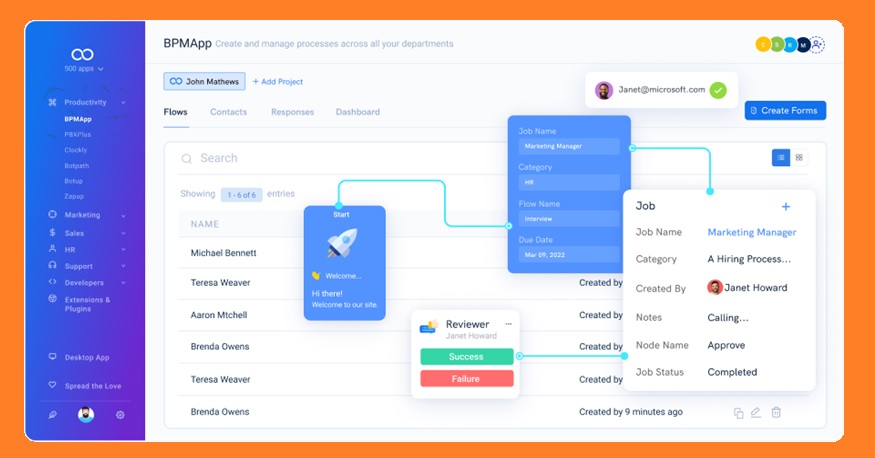
What Low Code App Development Means Today
Traditional software development often requires extensive coding skills, lengthy project timelines, and deep technical oversight. By contrast, low code app development platforms simplify the process through visual design tools, reusable components, and automated workflows. This democratization of app creation enables teams to focus on solving real business problems instead of wrestling with syntax and infrastructure.
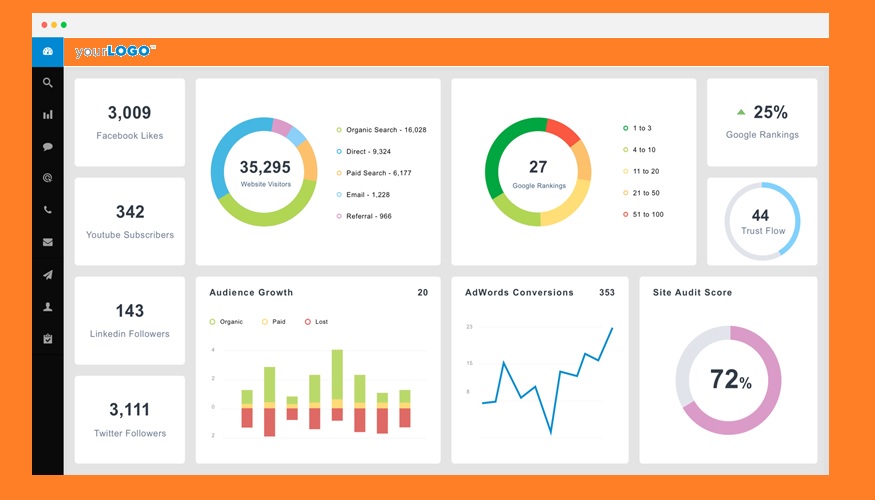
One standout platform in this space is Jitterbit, which brings together integration, automation, and low code capabilities into a unified environment. By leveraging intuitive visual tools and prebuilt connectors, teams can create applications that seamlessly connect to existing systems while reducing development friction.
Why Enterprises Are Embracing Low Code
Organizations adopt low code app development for several strategic reasons:
- Speed to Market: Projects that once took months can now be completed in weeks or even days.
- Reduced Costs: With fewer specialized developers needed, budget allocation becomes more efficient.
- Greater Flexibility: Business teams can iterate quickly based on feedback and changing priorities.
- Improved Collaboration: Visual tools make it easier for technical and non-technical stakeholders to work together.
As digital expectations continue to rise, low code platforms like Jitterbit enable organizations to adapt swiftly without sacrificing quality or stability.
Real-World Impact of Low Code Platforms
In sectors from healthcare to retail, companies use low code app development to automate workflows, integrate disparate systems, and build customer-facing solutions. For example, businesses struggling with manual data entry across siloed platforms can now automate that work, freeing staff to focus on strategic initiatives.

The ripple effect of these improvements touches every part of the business, from customer satisfaction to operational efficiency. Organizations that invest in low code platforms often find they can respond faster to market changes and customer needs.
Also Read: Global Application Modernization Companies: A Rising Powerhouse
Getting Started with Low Code App Development
If your organization is exploring ways to modernize its technology footprint, low code app development is a powerful avenue worth considering. Platforms that combine integration and automation capabilities—including Jitterbit—offer a pathway to innovation that balances agility with enterprise-grade reliability.
To learn more about how low code strategies can transform your application landscape, explore detailed guidance and best practices.
Final Verdict:
Ultimately, low code app development is no longer just a tactical shortcut; it is a strategic imperative for the modern enterprise. As organizations face relentless pressure to innovate, platforms that unify integration, automation, and intuitive design—like Jitterbit—shift the paradigm from merely maintaining systems to driving proactive growth. By empowering business technologists while maintaining vital IT governance, companies can deploy resilient, scalable solutions at unprecedented speeds.
The verdict is clear: embracing a robust low code ecosystem is the definitive bridge between technical bottlenecks and operational excellence, ensuring your business remains agile, competitive, and future-ready.
